
Roblox is often treated as a single product with a single set of risks. It is not. It is a platform that hosts thousands of different experiences—some closer to structured games with light social features, others closer to open social spaces with user-generated content, private servers, and real-money spending. The same child can move between those environments in a single afternoon.
That variety is why generic advice (“Roblox is dangerous” or “Roblox is fine if you set screen time”) fails parents. What matters is which parts of Roblox your child is actually using and whether the family has clear, current agreements about chat, friends, and money.
This post gives you a practical way to see the difference and to hold better conversations about the three areas that create the most friction at home.
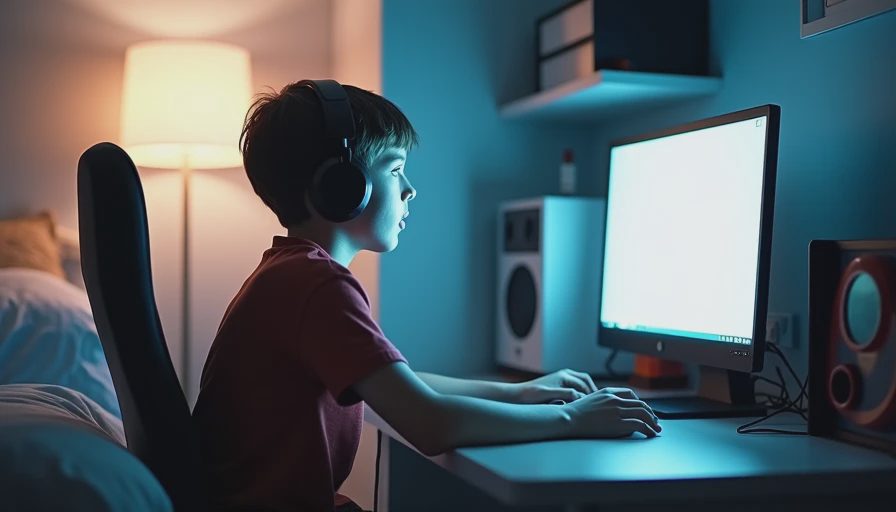
Why treating Roblox as one thing creates unnecessary conflict
Different experiences carry different social demands
A structured obby or tycoon game with limited chat feels very different from a role-playing experience or a free-form hangout where voice chat, private messages, and constant friend requests are central. Parents who only hear “I’m playing Roblox” often miss which version is currently active.
The platform rewards social connection and spending
Roblox is designed so that friends, groups, and limited-time items increase engagement. That design is not inherently malicious, but it does mean social pressure and spending pressure arrive together. A child who is not ready for one is often not ready for the other.
Age and account settings do not automatically equal safety
Roblox offers parental controls, account restrictions, and age-based features. Those tools help only when they are configured and when the family has talked about the behaviors the tools cannot fully prevent: who to accept as a friend, what to do when chat turns mean, and how to handle the urge to buy.
The three conversations every Roblox family needs
Conversation 1: Chat—what is allowed and what happens when it goes wrong
Clarify the current chat reality
Ask your child to show you, in real time if possible, how chat works in the experiences they play most. Is it public text only? Are there private messages? Is voice chat available? Are they in experiences that attract a wide age range?
Set a clear, simple rule set
Most families do well with a short list:
No sharing of real name, school, address, schedule, or photos.
No meeting anyone from Roblox in real life without a full parent conversation.
If chat becomes mean, pressuring, or sexual, leave the experience and tell an adult—even if you participated.
Parent and child agree on whether private messages or voice chat are allowed at this stage.
Practice the exit and report steps
Knowing the rule is not the same as being able to use it under social pressure. Walk through how to leave a game, block a user, and report. Role-play a short uncomfortable chat so the language is already available when needed.
Conversation 2: Friends—who gets accepted and what friendship means on the platform
Distinguish platform “friends” from real-life friends
Many children accept every request so they can join more experiences or avoid seeming rude. That habit quickly expands the circle of people who can message them. Make the distinction explicit: a Roblox friend is someone with limited access, not an automatic real-world confidant.
Create a simple acceptance rule
Examples that work for many households:
Only accept people you already know from school or real-life activities.
Or: Accept new requests only after a quick parent check-in for the next two months.
Or: No new friends during certain high-pressure periods (late evening, when already upset).
Talk about social pressure and exclusion
Roblox friend groups can form and reform quickly. Children often feel they must stay in a particular server or keep certain players as friends to avoid being left out. Name that pressure out loud and give your child permission to leave a group that feels consistently unkind without it being treated as social failure.
Conversation 3: Spending—Robux, limited items, and the “just this once” cycle
Separate entertainment budget from impulse
Decide in advance whether Roblox spending is part of the child’s regular entertainment money, a special occasion only, or not allowed right now. Write the decision down so it is not renegotiated in the middle of a limited-time item drop.
Address the design pressure directly
Limited items, seasonal events, and friend show-offs are intentional. Tell your child: “The game is built to make you want to buy right now. Wanting the item is normal. Buying every time the feeling appears is what we are practicing not to do.”
Create a pause rule
A useful family rule: any Robux purchase over a small amount (or any purchase at all) requires a 24-hour wait and a short conversation. The wait itself often dissolves the urgency. For younger children, parent-managed spending with a clear monthly ceiling is often cleaner than repeated negotiations.
How to gather accurate information without turning it into surveillance
Ask to be shown, not just told
“Show me the last three experiences you played and how chat works in them” produces better information than “Is there any chat?” Children often do not realize which features are active until they look together with you.
Use short, regular check-ins instead of rare deep interrogations
A five-minute weekly conversation—“Any new friends this week? Any chat that felt weird? Any items you almost bought?”—keeps the channel open. Long, infrequent interrogations tend to produce defensiveness and incomplete answers.
Watch for changes in pattern more than isolated incidents
A single rude comment is common. A sudden increase in secrecy, irritability after playing, requests for money, or reluctance to show the screen is worth a calmer, more focused conversation.
Adjusting the approach by age and experience level
Ages 8–11
Default to tighter restrictions: limited or no private chat, parent-managed or very small spending, friend requests only from known real-life peers, and more frequent joint play or check-ins. The coaching focus is basic safety language and the habit of telling an adult.
Ages 12–14
Many children this age can handle more autonomy if the three conversations have already happened and the child has shown follow-through. Conditions can loosen as trust is demonstrated, but the review date stays on the calendar. Spending and late-night social pressure remain the most common friction points.
When Roblox is mainly a social space rather than a game
If your child is primarily hanging out rather than playing structured experiences, treat the situation more like early social media than like a traditional video game. The friend and chat conversations become more important than the game-mechanics ones.
What to do this week

Pick one of the three conversations—chat, friends, or spending—and have it in the next few days. Keep it under fifteen minutes. Ask your child to show you the relevant part of their account or a typical experience. Write down the one or two agreements you reach and set a short review date (two to four weeks).
You do not need to solve every possible Roblox scenario at once. You need a clearer shared picture of what your child is actually doing and a simple set of expectations that can grow as their judgment grows.
Coach the skill, not just control the screen.
The goal is not a perfect digital childhood.
It is a child who can make better choices.
Start with the next conversation, not the next restriction.


No letters yet — be the first guest to write.